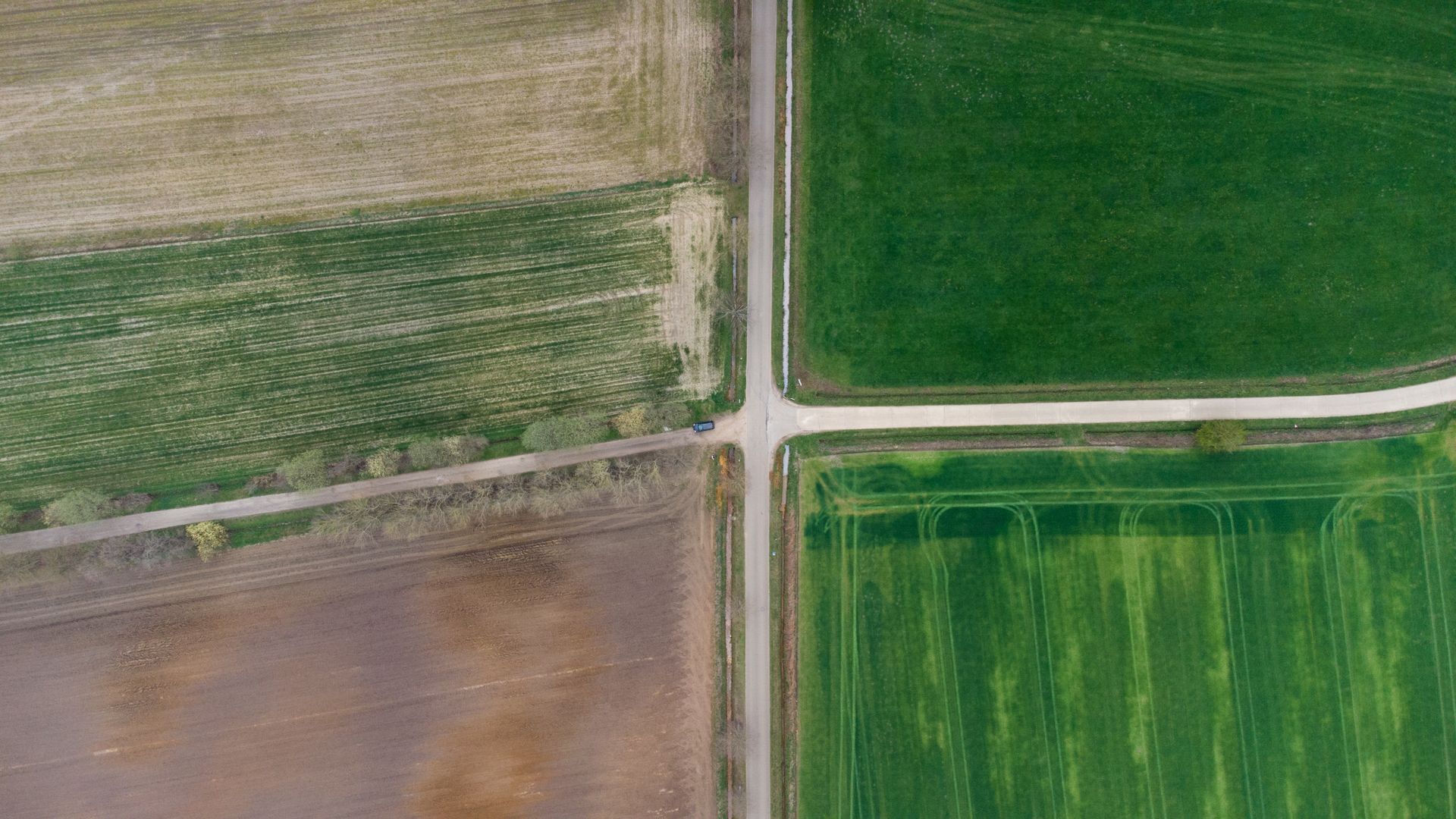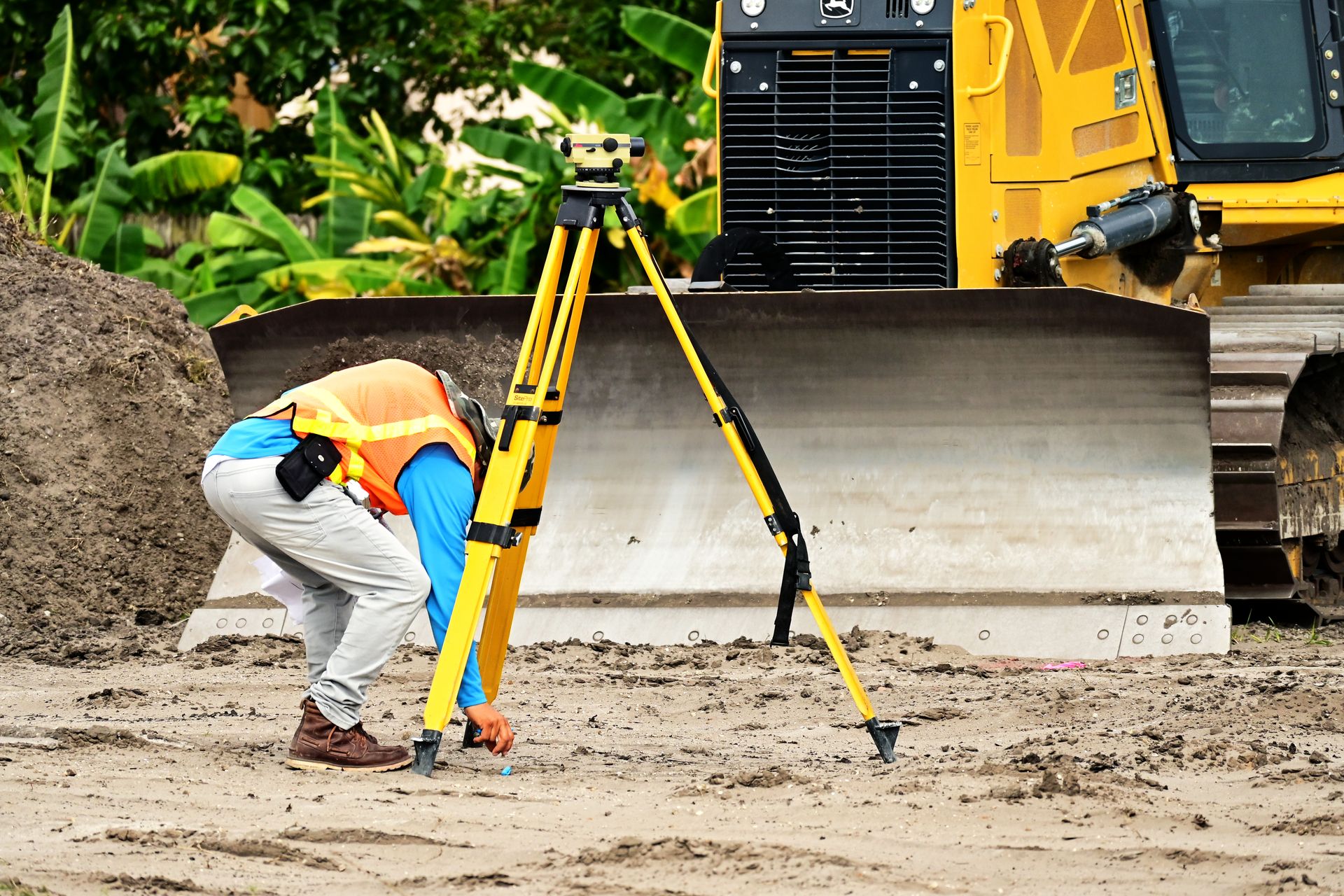
Long before an architect sketches a floor plan, a developer's first question is brutally practical: what exactly did we buy? A land surveyor answers it — in dimensions, elevations and legally defensible documents.
During due diligence, the survey reveals what the deed implies but never shows: encroachments crossing the line, easements limiting buildable area, gaps between the fence and the record, flood-zone edges cutting through the parcel. Each finding reprices risk before it becomes a lawsuit.

From Acquisition to Ribbon-Cutting
Once the deal closes, the same surveyor stakes the design onto the ground, verifies foundations and anchor bolts, and certifies as-builts for closeout. One accountable measurement thread runs from the first boundary check to the final certificate of occupancy.
Developers who engage surveyors early consistently report the same outcome: fewer change orders, faster entitlements and lenders who ask fewer questions. Measurement is the cheapest risk control in the capital stack.
Key Takeaways
Order the boundary survey during due diligence, not after closing. Insist on easements plotted against the title commitment. Keep the same surveyor through staking and as-builts so nothing is lost between phases.